

Over the years, working with families and investors through the process of legalizing properties, I've noticed that the municipal building completion certificate, popularly known as the occupancy permit, still generates a lot of questions. For many people, it's just a bureaucratic detail. But after participating in negotiations stalled due to the lack of this document – and seeing dreams and investments at stake – I've learned to see it in a different light. I'll explain, in a practical and didactic way, everything you need to know to obtain yours, protect your assets, and avoid future headaches.
What is an occupancy permit and why is it so important?
The occupancy permit is a certificate issued by the city hall attesting that a building was constructed in accordance with legal requirements, is ready for use, and can be inhabited or used. This document officially authorizes the occupation of the property and is indispensable in virtually all stages involving the property: Registration at the land registry office, financing, sales, regularization, and even transfers through inheritance or donation.
Without an occupancy permit, the property does not formally "exist" for regular transactions.
This is not just a protocol. The Brazilian housing deficit is 5.9 million units, according to... data from the João Pinheiro Foundation. Many of these properties don't even have the required certificate from the city hall. This impacts not only property rights, but also liquidity and market value.
In my work at Dario Carneiro Advocacia, I see this scenario up close every day, especially in large centers like São Paulo, where rapid urban growth fosters irregularities and complex situations. Among the most common are: houses that cannot be mortgaged, apartments that cannot be insured, and families who, due to lack of documentation, find themselves in great difficulty selling or regularizing their properties.
Documents and steps to obtain the certificate.
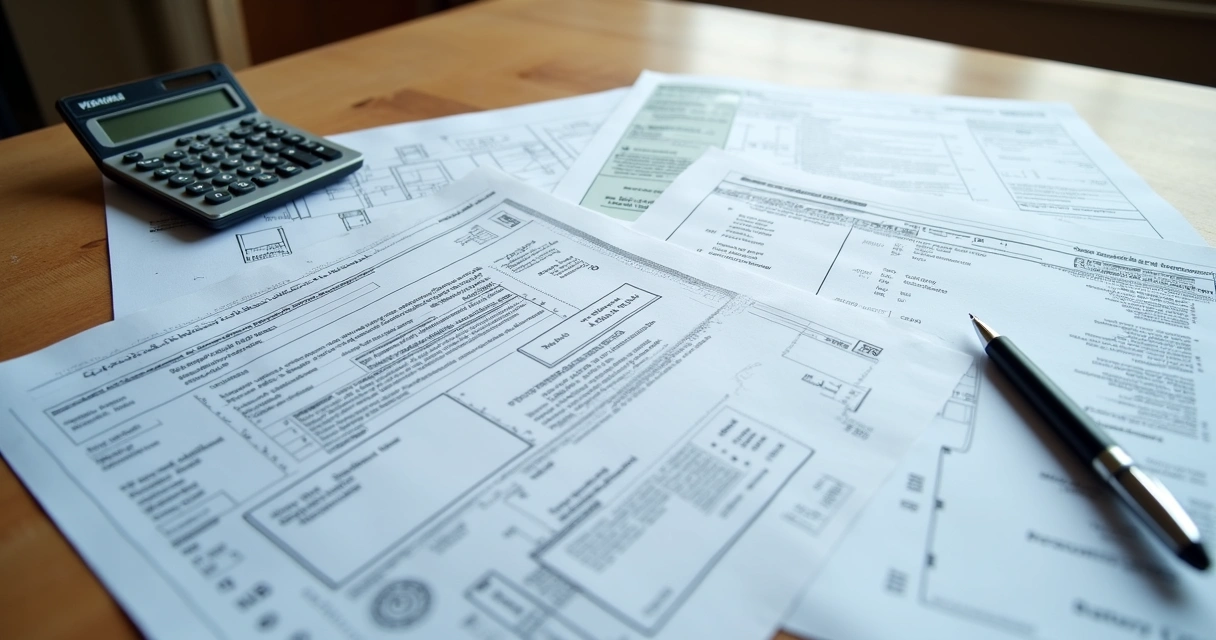
The requirement for the certificate depends on the municipality responsible for the area where the property is located. Generally, the process usually requires the following documents:
- Approved construction project
- Certificate of completion of works from CREA or CAU.
- Fire Department Inspection Report (AVCB) for commercial or multi-family properties.
- Inspection report from the city hall.
- Updated tax registration (property tax paid)
- Copy of the building permit
- Technical responsibility statement from engineers and architects
- Proof of connection to essential public services (water, sewage, electricity)
The absence of even a single one of these items often delays or prevents obtaining the document. Therefore, I recommend carefully reviewing each document before formalizing the request.
 How is the inspection carried out?
When the request is filed, the city inspectors schedule a visit. I witnessed some of these inspections and noticed that they are looking for:
- Check if the work matches the approved project.
- Check accessibility
- Assess compliance with minimum setback requirements, ventilation, natural lighting, and other factors.
- Check safety conditions in common and private areas.
- Assess the impact on the neighborhood, especially for buildings and businesses.
If any discrepancies are found, a period for correction is opened – which may be extended, depending on the municipality and the type of irregularity identified.
Additional requirements may apply depending on each municipality.
Requirements vary by city. Reports like the one published by the Manaus City Hall They show, for example, a strong expansion of recently licensed areas, with an increase in inspectors and computerization of the process. In capitals like São Paulo and Rio, the procedure may include specific rules for listed properties, properties in water source areas, historical perimeters, or areas of environmental interest.
A tip: consult the Building Approval department of your municipality before starting construction and keep certified copies of all documents.
Impacts of the certificate on financing, buying and selling.
One of the biggest myths is believing that it's possible to sell, buy, or transfer urban properties without a certificate from the city hall. In some cases, informal contracts are even signed. But, in practice, the lack of this document hinders the main legal transactions.
It's rare for a bank to finance a property without an occupancy permit.
Land registry offices require this document to formalize the registration and transfer of ownership. The same applies to home insurance, property valuations, and even to guaranteeing market value in the event of a judicial division of assets.
This is one of the main reasons why buyers, investors, and lawyers specializing in real estate law should pay close attention. I have witnessed situations where the owner was unable to secure financing and, therefore, lost their dream deal.
Differences between occupancy permit, building permit, and completion certificate.
I often see confusion regarding the names of the documents. Although some municipalities use different names, each document has its specific function:
- Occupancy permit: Certificate of completion of construction and authorization for occupancy.
- Building permit: Authorization to begin construction, valid for a specified period.
- Operating license: Authorization for businesses to operate on the premises.
- Completion report: In some cities, it's synonymous with occupancy permit; in others, it simply means progress in the construction phase.
Please note: only the occupancy permit, or its local equivalent, allows for the complete regularization of the property, including with the Land Registry Office.
Consequences of not obtaining the municipal certificate.
Recently, a survey by Anoreg-BR indicated that More than five million Brazilians live in properties without proper registration at the land registry office., and in cities like São Paulo and Rio de Janeiro, the incidence of documentation problems reaches 28% and 35% of urban dwellings, respectively (data from Anoreg-BR).
In practice, this can lead to a number of difficulties:
- Inability to register the purchase and sale at the registry office.
- Difficulty in obtaining mortgage financing.
- Property depreciation of up to 30%, according to some surveys.
- Properties that are not on the tax radar or are subject to administrative fines.
- Problems dividing assets in probate or divorce cases.
- Risk of demolition in areas of irregular occupation.
Those who purchase irregular property may be held liable for damages and incur losses that are difficult to reverse in the future. Ideally, any outstanding paperwork should be resolved before putting the property up for sale or seeking it on the market.
 Situations in which the issuance of the document is denied.
It's not uncommon for the initial request to be rejected by the city hall. This can happen for reasons such as:
- Discrepancies between the approved and the executed project.
- Lack of a building permit or partial completion of the work.
- Tax issues
- Fire Department inspection report expired or irregular.
- Complaints from neighbors
If this happens to you, don't be discouraged. There are administrative alternatives, such as appeals and requests for review, as well as legal action to challenge disproportionate or irregular demands – an area in which the Dario Carneiro Advocacia law firm has experience advising clients seeking to unblock processes. Preventive action is usually much simpler and faster than subsequent litigation.
Costs, deadlines, and tips to speed up the process.
The costs to legalize a property vary depending on the municipality, the type of construction, and the square footage. They typically include:
- Fee for project analysis and issuance of administrative certificate.
- Engineer and architect fees
- Costs associated with technical reports and necessary inspections.
Costs can range from a few hundred to thousands of reais, depending on the complexity. The standard timeframe in major cities varies from 30 to 90 days after the submission of complete documentation – not including any potential requirements and adjustments.
Patience and planning are allies of the regular homeowner.
Tips I learned from following dozens of regularization processes.
- Please confirm ALL documents before submitting the application.
- Maintain direct contact with the professionals in charge: engineers and architects make all the difference.
- Clear up any doubts with the relevant department at the city hall before starting or finishing the work.
- If the response is negative, request a detailed report and follow the instructions to the letter.
- Remember: regularizing your situation at the source avoids future fines and losses.
And here I reveal another secret: correct documentation, obtained at the right time, increases the value of the property and even facilitates future judicial and extrajudicial negotiations, which are increasingly sought after by families and investors, as I discuss in the content on extrajudicial solutions.
Conclusion: regularization means security and increased value.
Throughout my career, I've realized that the occupancy permit goes far beyond a simple stamp on paper. It represents the consolidation of ownership, investment, and legal security for those who acquire or already own a property. At the Dario Carneiro Law Firm, the motto has always been to translate legal jargon into trust and security.
Taking care of your documentation is an investment in your family's peace of mind and the future of your assets.
If you are facing challenges in regularizing your property or have questions regarding documentation in real estate law, I invite you to learn more about my personalized services by reading about real estate law or browsing the property section of the website. Talk to me or the Dario Carneiro Advocacia team: protecting your assets can be easier than you imagine, with clear guidance and no surprises.
To delve deeper into specific issues and analyses of other relevant aspects, I also suggest the following articles. Regarding the regularization of old properties and oversight and best practices in real estate acquisition.
Frequently Asked Questions
What is an Occupancy Permit?
"Habite-se" is a certificate issued by the city hall proving that the property was built in accordance with legal requirements and is ready to be inhabited or used. Without this document, the property cannot be registered in the land registry or negotiated with complete legal security.
How do I obtain the occupancy permit for a property?
To obtain the occupancy permit, it is necessary to present all the documents required by the city hall, such as an approved project, technical reports, and proof of compliance with tax obligations. After analysis and inspection of the construction, if everything is in order, the city hall issues the certificate.
How much does it cost to obtain an occupancy permit?
The cost varies depending on the municipality, the size of the property, and the complexity of the work. It involves administrative fees, reports, inspections, and, in some cases, fees for the engineers or architects responsible. The amounts can range from a few hundred to thousands of reais, depending on the case.
Why is the occupancy permit important?
The occupancy permit is important because it guarantees that the property can be legally inhabited, sold, financed, and registered. Without it, in addition to financial losses, there are legal risks and difficulties in future negotiations.
What documents are needed for an occupancy permit?
Among the main documents are: approved construction project, building permit, certificate of completion of work signed by an engineer or architect, report from the Fire Department (when necessary), report from the city hall and proof of tax compliance (property tax and others).