

Throughout my career serving clients at the Dario Carneiro Law Firm, I've observed that many Brazilians see property as a true source of security for their families and future plans. However, sometimes formal ownership simply doesn't exist, leading to doubts and insecurities. This is where extrajudicial adverse possession comes in as a possible way to regularize urban properties. I want to clearly explain how this procedure works, who can apply for it, and the practical benefits of this type of solution.
What is extrajudicial adverse possession?
Extrajudicial usucaption is the possibility of formally acquiring ownership of a property without going to court, but rather directly at the land registry office. This alternative emerged to expedite situations where all legal requirements have already been met, avoiding lengthy and often exhausting legal processes. The goal is to allow those who have occupied a property without opposition, for many years and in good faith, to become the de facto and de jure owners.
Speed and cost-effectiveness are major advantages of extrajudicial adverse possession.
What are the main requirements?
I have participated in numerous processes advising clients to determine if extrajudicial adverse possession would actually be possible. The main requirements are:
- Possession of the property in a continuous, peaceful, and uninterrupted manner, without contestation from the previous owners;
- Tenure period (varies depending on the case, but in most cases, 5 or 10 years is required);
- Urban property, that is, located in an urbanized area;
- Residential purpose, in the most common scenario;
- Absence of ongoing legal action discussing possession or ownership;
- Agreement from the owners of rights over the property (or at least notification from them, with a formal statement or silence);
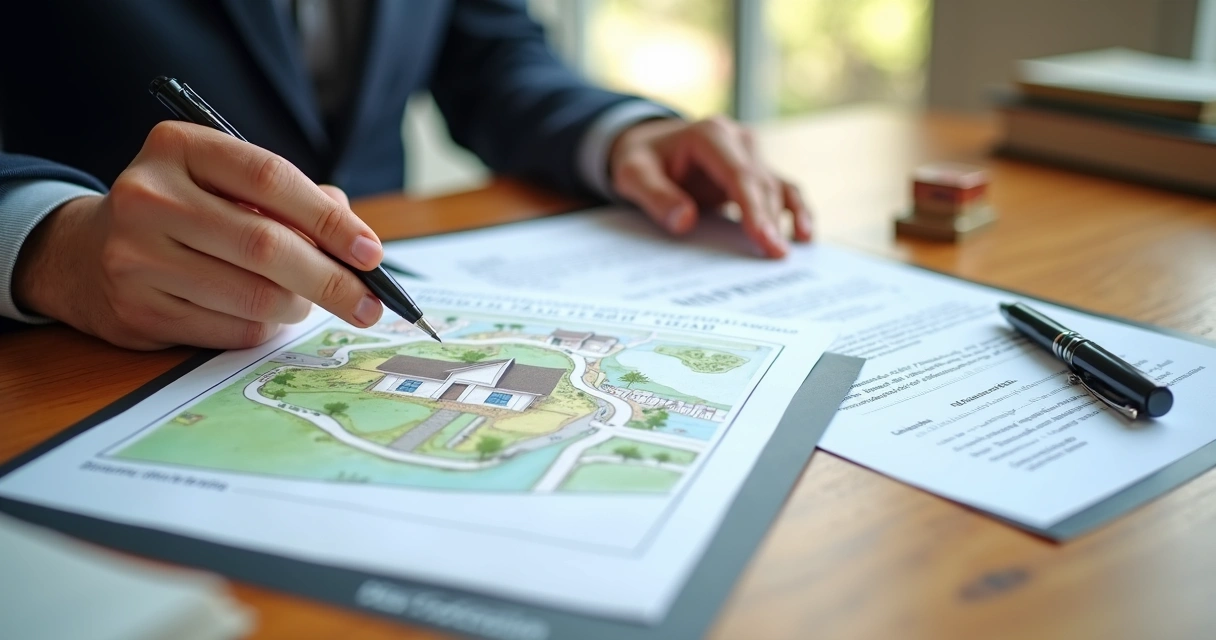
- Presentation of a plan and descriptive report prepared by a qualified professional registered with the relevant authorities.
These requirements are carefully checked by the land registry office during the procedure.
What are the steps involved in extrajudicial adverse possession?
Anyone who has been through a similar situation knows how much guidance makes all the difference. Therefore, I've outlined the steps based on cases I've followed:
- Hiring a lawyer: The procedure should always involve a lawyer, who will gather the documentation and guide all stages.
- Gathering and producing evidence: It is necessary to gather documents that prove ownership, length of occupancy, absence of opposition, as well as negative certificates and proof of expenses.
- Preparation of a plan and descriptive report: A qualified engineer or architect prepares the technical document for the property, with the necessary registration at the municipal authority.
- Initiation of the procedure at the land registry office: With all the documentation, the lawyer submits the formal request based on Law 13.105/2015 (CPC) and CNJ Provision 65.
- Notification to neighboring landowners and former owners: The registry office notifies neighbors, interested parties, and public entities, who may agree or eventually object, thus stalling the process.
- Analysis by the register: The land registry official verifies the requirements, evidence, and statements, and may request additional information or documents.
- Property registration: If all parties agree or there is no opposition, the registry office registers the property in the name of the person who requested adverse possession, making them the new legal owner of the property.
In many cases I've handled, I've noticed that gathering clear documents and proactive legal action prevent most setbacks and delays.
 What can prevent extrajudicial adverse possession?
In practice, not every case fits this fast track. What I've seen block the process is generally related to:
- Discrepancies regarding the property description;
- Conflict between squatter and landowner with formal dispute (contest);
- Ongoing legal actions concerning the property;
- Lack of adequate technical documentation;
- Refusal or inability to locate rights holders for notification.
When any of these situations occur and there is no consensual solution, the process necessarily enters the judicial route, which tends to be more time-consuming.
What documents are essential to start the application?
This is one of the biggest questions, and I've seen delays happen precisely because of mistakes at this stage. Below are the documents generally required by the registry office:
- Identity card and CPF (Brazilian tax identification number) of the interested parties;
- Proof of residence;
- Certificates of no outstanding tax and judicial debts;
- Formal justification signed by the lawyer;
- Floor plan and descriptive report;
- Property certificates (updated);
- Declaration of length of tenure, signed by credible witnesses;
- Proof of payment for property tax (IPTU), water, electricity, and other bills in the applicant's name;
- Power of attorney in favor of the lawyer who signs the request.
The more complete the documentation submitted, the greater the chance that the procedure will proceed without obstacles or extra requirements from the registry office.
Why pursue extrajudicial adverse possession?
At Dario Carneiro Advocacia, a large number of clients report a desire to resolve long-standing issues involving real estate without resorting to lengthy litigation in the courts. The most visible advantages of the out-of-court approach are:
- The process is considerably faster than through the judicial system;
- Lower costs for fees, copies, expert opinions, and travel;
- A less conflictive environment, prioritizing consent and amicable solutions;
- Greater autonomy for the interested party, who actively participates in the stages;
- Reducing the workload of the Judiciary.
Extrajudicial adverse possession represents a true transformation for families and investors, allowing for the regularization of property and, consequently, unlocking financing, regularizing inheritances and sales, and guaranteeing legal security.
 Real-life case: from insecurity to tranquility
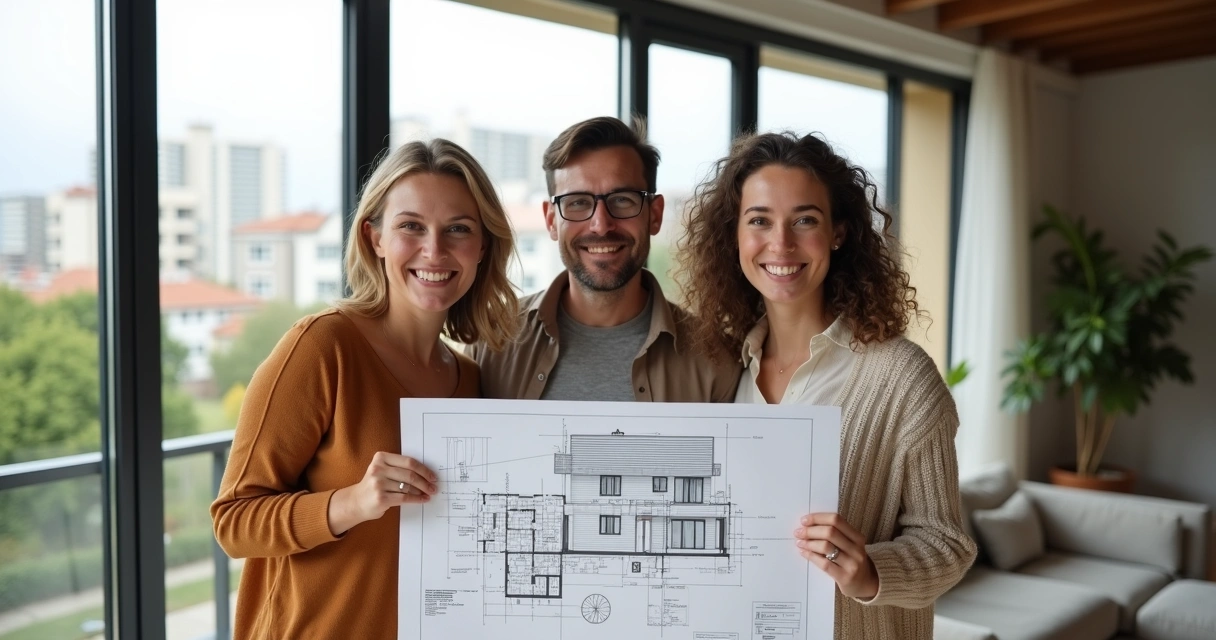
I remember a couple I assisted a few years ago. They had lived in the same house for almost 20 years, had all their neighbors as witnesses to their ownership, paid property taxes and other bills in their name, but they had never been able to contact the previous owner to transfer the title, and they lived insecurely, unable to negotiate the sale to their growing son. We gathered all the documentation, produced a complete floor plan with the engineer, and initiated the extrajudicial adverse possession process. Even with initial doubts from the registry office, we presented all the evidence, correctly notified the neighboring landowners, and, within a few months, the title was registered in the couple's name. Their sense of peace of mind demonstrated, once again, the value of clear and well-guided extrajudicial solutions.
If you would like to learn more about other possibilities for regularizing and protecting your property, I also recommend reading our content on real estate law, out-of-court solutions, and asset protection.
Conclusion: safe and personalized regularization
It is clear from my daily experience that extrajudicial adverse possession is an important regularization tool for those who wish to become the effective owners of long-occupied urban property in a peaceful manner. However, everything depends on individualized analysis, document organization, and professional guidance—aspects that I always prioritize in my services at Dario Carneiro Advocacia.
If you identified with any of the situations described, have questions about your property, or want to know how to better protect your assets, I invite you to talk to our team.. See also our detailed article about rights and guarantees in urban real estate Or take the opportunity to learn about other legal consulting solutions specific to your case.
Frequently asked questions about extrajudicial adverse possession of urban properties.
What is extrajudicial adverse possession?
Extrajudicial adverse possession is a procedure carried out at the land registry office, without the need for legal action, to regularize the ownership of a property occupied for many years in a peaceful, continuous and unopposed manner.
Who can pursue extrajudicial adverse possession?
Anyone who occupies urban property peacefully, publicly, and uninterruptedly for the time required by law (usually 5 or 10 years), proving that there is no litigation or contestation from the former owner, can request extrajudicial adverse possession with the assistance of a lawyer.
How long does the adverse possession process take?
The timeframe varies depending on the documentation submitted and whether there is consensus among the notified parties. Generally, the extrajudicial procedure is usually completed between 6 months and 1 year, but delays can occur due to requirements from the registry office or difficulties in locating former titleholders.
What documents are needed for adverse possession?
The following are required: personal documentation, negative certificates, proof of ownership (property tax, utility bills), site plan and descriptive report, witness statements, as well as a power of attorney and formal justification from the lawyer.
Is extrajudicial adverse possession faster than judicial adverse possession?
Yes, extrajudicial adverse possession is usually faster than judicial adverse possession, as it avoids legal disputes and can be resolved directly at the notary's office, provided there is no conflict between interested parties.